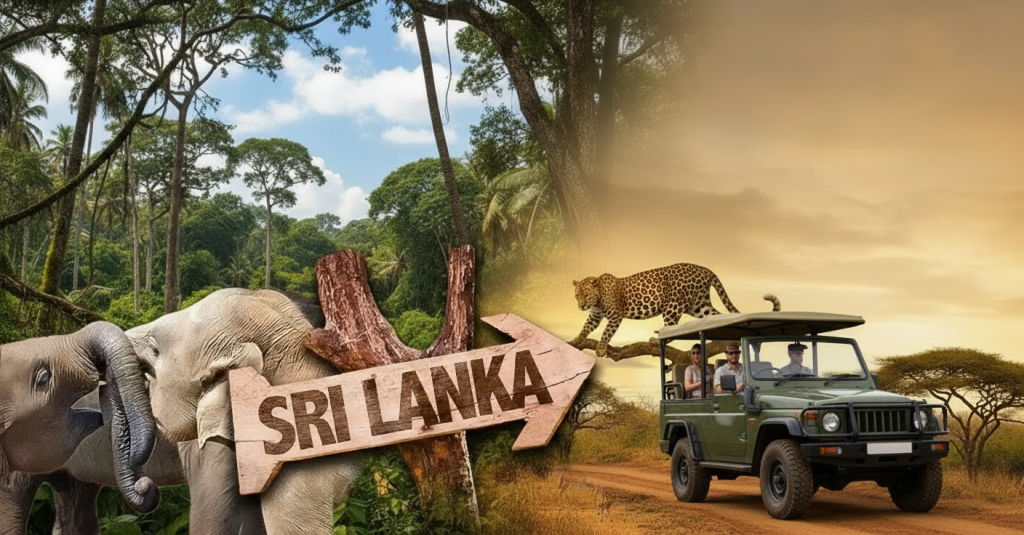

Best Time for Safari in Sri Lanka: The 4 Ultimate Months
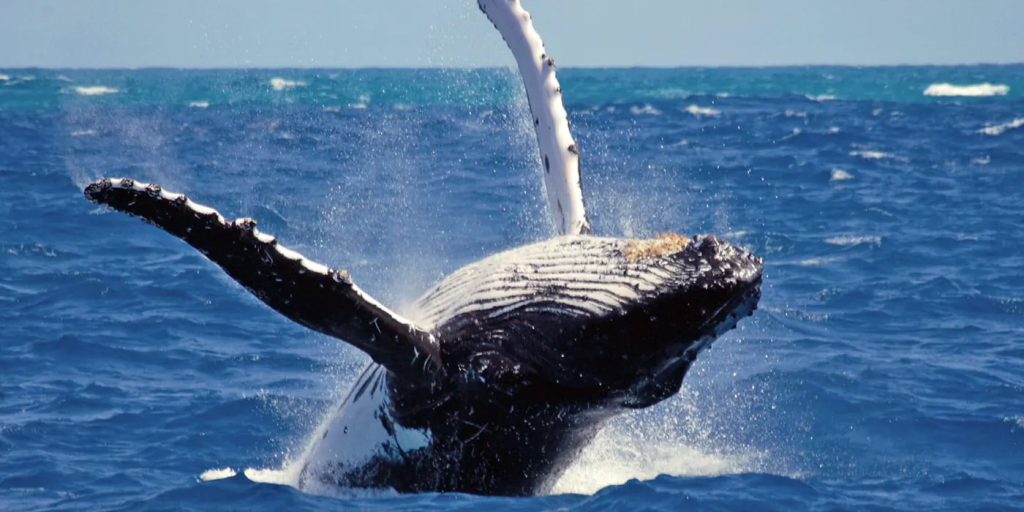
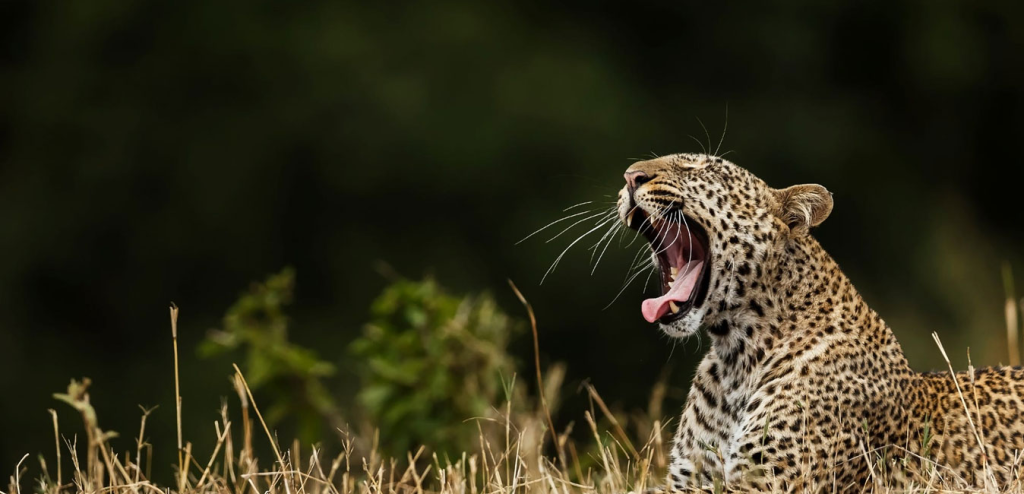
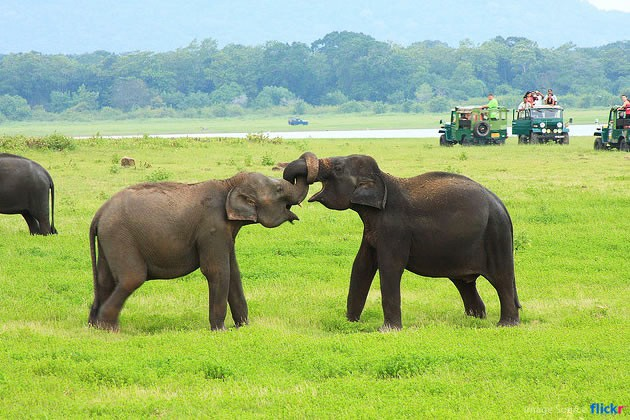
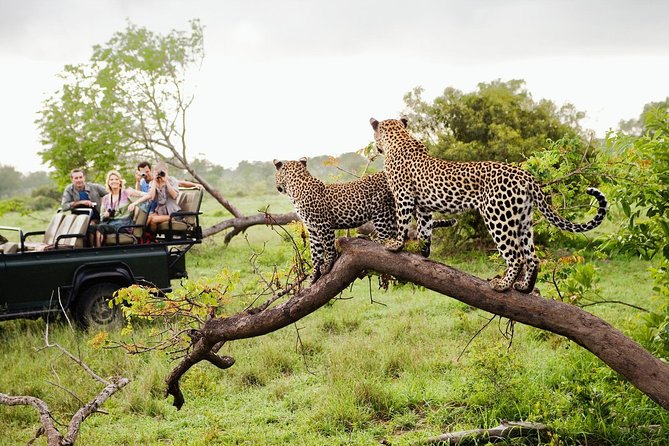
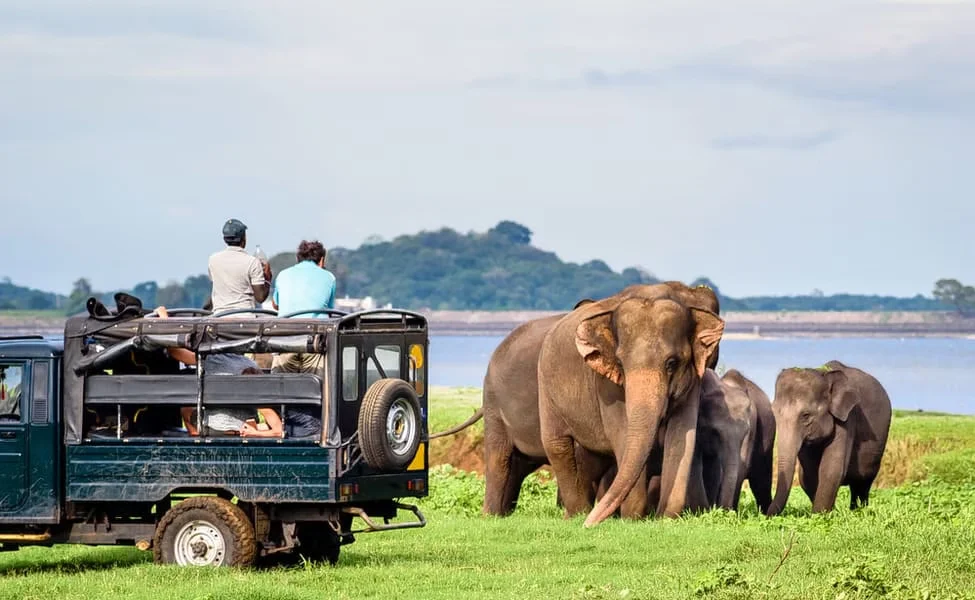
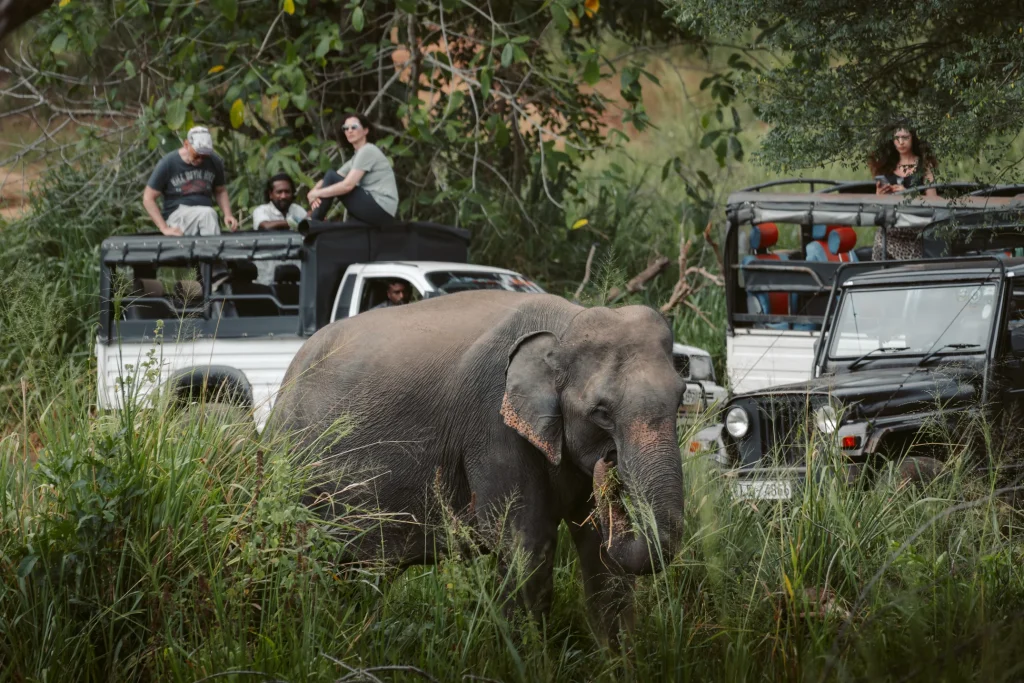
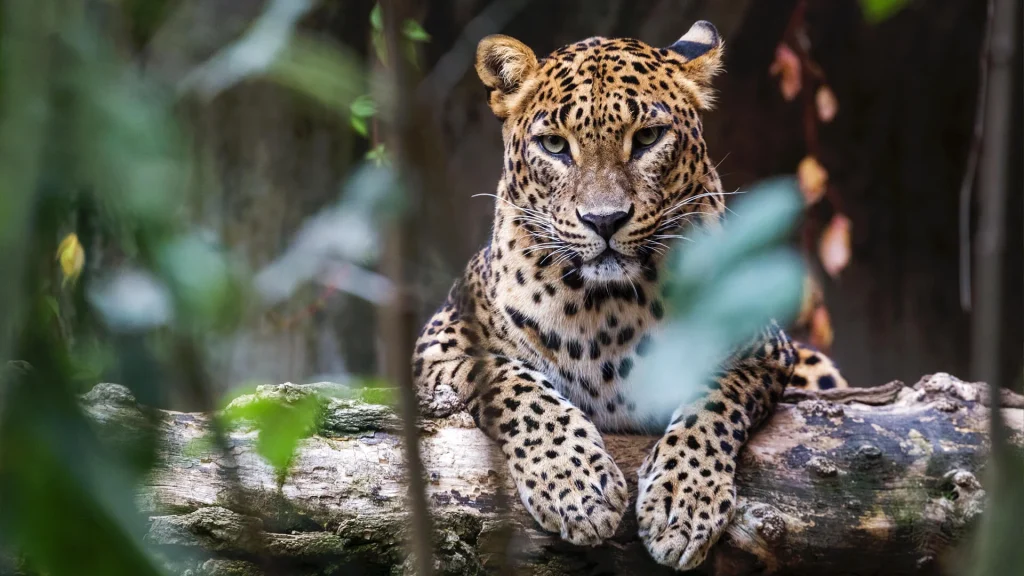
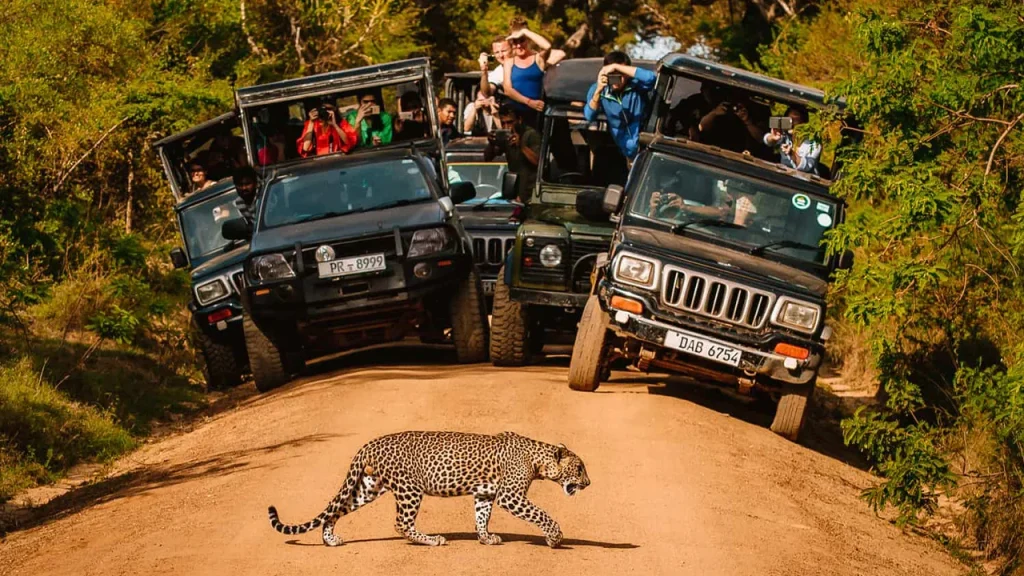
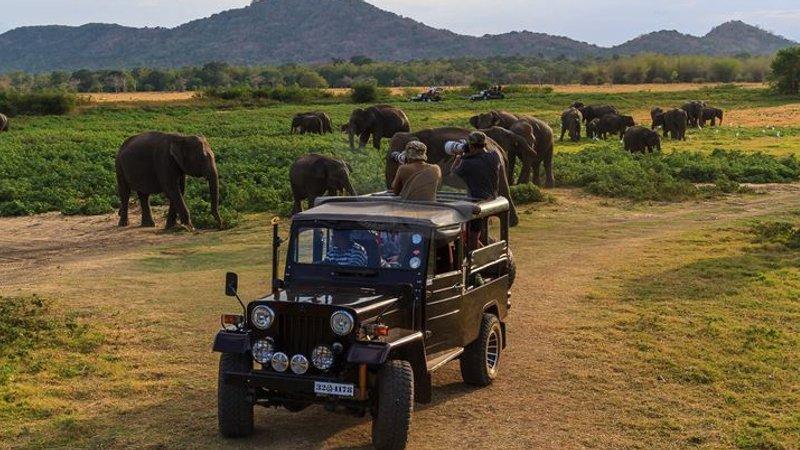
Why Timing is Everything for Your Sri Lanka Wildlife Safari Sri Lanka is unique because it’s a year-round travel destination. However, the weather shifts dramatically from coast to coast due to two separate monsoons. This complexity means that choosing the Best Time for Safari in Sri Lanka is not a matter of guessing; it’s a strategic decision that directly impacts your sightings. A successful Sri Lanka Wildlife Safari depends on finding animals when they are most active and least hidden by dense foliage. This usually happens during the dry season when wildlife is forced to congregate around predictable water sources. This comprehensive guide will break down the seasonal movements, highlight the four Ultimate Months for peak viewing, and show you exactly How to Book Safari in Sri Lanka to guarantee a world-class wildlife adventure. 1. Understanding the Monsoons: The Year-Round Wildlife Calendar Unlike mainland continents, Sri Lanka’s geography means there is always a dry zone where safari conditions are optimal. We operate tours year-round by shifting our focus to parks less affected by seasonal rains. 1.1 The Two Monsoon Cycles Season Months Affected Region Safari Impact Yala Monsoon May to September Southwest (Galle, Colombo, Nuwara Eliya) Great for East Coast beaches, but less rain means dry conditions in the safari zone. Maha Monsoon October to January Northeast (Trincomalee, Jaffna) Can affect Minneriya/Kaudulla, but perfect for the South and West Coast beaches. 1.2 The Four Ultimate Months for a Comprehensive Safari While you can see animals all year, the months that offer the best overall conditions for sighting the Big Four (Elephant, Leopard, Sloth Bear, and Blue Whale) across the entire island are during the two inter-monsoon periods: February, March, August, and September. These four months provide a sweet spot where one part of the island is dry and accessible, guaranteeing an excellent Sri Lanka Wildlife Safari wherever you are. Knowing the Best Time for Safari in Sri Lanka is your first step toward success. 2. Safari by Sighting: When and Where to Find the Giants The Best Time for Safari in Sri Lanka often depends entirely on the primary animal you wish to see. Here is the ultimate guide to planning your trip based on your wildlife goals. 2.1 Leopard Sighting: Yala and Wilpattu National Parks The elusive Sri Lankan Leopard requires dry, open conditions. We highly recommend focusing on the following windows: 2.2 Elephant Sighting: Minneriya and Udawalawe National Parks Elephants are visible year-round, but only Minneriya/Kaudulla offers the massive herd phenomenon known as “The Gathering.” 2.3 Whale Sighting: Mirissa and Trincomalee For a complete Sri Lanka Wildlife Safari, you must include the ocean giants. The timing depends on which coast is calm: 3. The Morning vs. Evening Safari Debate One of the most frequent questions we receive is not about the month, but the time of day. The Best Time for Safari in Sri Lanka on any given day is directly linked to animal activity and temperature. Time Slot Pros Cons & Best For Morning (6:00 AM) Animals are active, cooler temperatures, beautiful soft light for photography. Requires a very early start (5:30 AM pickup). Afternoon (3:00 PM) Perfect for elephants emerging to drink (Minneriya), great golden hour light. Can be crowded, animals are less active between 10 AM and 3 PM. Expert Advice: For high-intent animals like the leopard, the early morning is often the Ultimate viewing time. For the Minneriya Elephant Gathering, the late afternoon guarantees the sight of the maximum number of animals. 4. Converting Knowledge to Action: How to Book Safari in Sri Lanka Having the knowledge of the Best Time for Safari in Sri Lanka is only half the battle. The final, critical step is securing your premium experience through a reliable operator. We simplify How to Book Safari in Sri Lanka by offering transparent, all-inclusive packages. 4.1 The Importance of Booking Early Safaris, especially for Yala’s peak leopard season (Feb-June) and the Minneriya Gathering (Aug-Sep), are heavily in demand. 4.2 Why Choose a Professional Service Avoid generic, cheap options. A professional safari service ensures safety, vehicle quality, and ethical adherence. To learn more about the importance of sustainable, low-impact tourism and its role in protecting Sri Lanka’s vital elephant corridors, visit the official Sri Lanka Tourism Development Authority website . 5. Frequently Asked Questions (FAQ) Q: Can I visit the national parks during the monsoon seasons? A: Yes, absolutely. During the Yala Monsoon (May-Sept), the main Sri Lanka Wildlife Safari focus shifts to the dry zone (Yala, Udawalawe, Wilpattu). During the Maha Monsoon (Oct-Jan), the focus remains on Udawalawe and the South Coast. We simply adjust the itinerary to match the local weather conditions. Q: Is there a perfect month to see everything? A: The closest you get to perfection is during the Ultimate Months of March and August. March offers excellent conditions across most of the dry zone and the best chance for Blue Whales off Mirissa. August provides incredible land sightings, especially the Minneriya Elephant Gathering. Q: What is the single Best Time for Safari in Sri Lanka for spotting the leopard? A: March to May in Yala. The dryness of the terrain and the increasing heat force the leopards out of the dense jungle and onto rocks or near water, providing the greatest visibility. Q: How to Book Safari in Sri Lanka for the best price? A: We offer affordable sri lanka safari [Internal Link: Affordable Safari Packages Page] packages by utilizing shared transfer logistics where appropriate, but we never compromise on the quality of the jeep or the expertise of the tracker. The best price usually comes with booking a multi-park package early. Q: How long does a safari drive last? A: Most Sri Lanka Wildlife Safari excursions are 3 to 4 hours (half-day), either in the morning or the evening. This duration is perfectly timed to match the animals’ active hours without exhausting the guests. Conclusion: Securing Your Ultimate Wildlife Adventure Don’t let the weather uncertainty deter you. With the right local knowledge, planning your dream